
In the legal profession, the concept of fair representation is fundamental, serving as the cornerstone of justice and equality before the law. This blog post delves into the importance of fair representation in legal advocacy, exploring its impact on the judicial system and offering guidance for ESL lawyers on how to ensure they uphold these standards in their practice. Understanding and implementing fair representation is not only a legal and ethical obligation but also a crucial element in fostering trust and integrity within the legal system.
What is Fair Representation?
Fair representation refers to the equitable and impartial representation of all parties involved in a legal matter, without bias or favoritism. It ensures that every individual, regardless of their background, has access to competent legal advocacy. This concept is vital in both criminal and civil law, where the stakes can include liberty, financial stability, and personal rights.
The Role of Lawyers in Ensuring Fair Representation
- Understanding the Client's Needs: Lawyers must thoroughly understand their clients' situations and objectives. This requires excellent communication skills, especially for ESL lawyers who must navigate these interactions in a second language.
- Providing Competent Representation: Lawyers are obligated to provide diligent and competent representation. This includes staying informed of legal changes and understanding the nuances of the law as it applies to their client’s case.
- Avoiding Conflicts of Interest: Fair representation requires the avoidance of conflicts of interest. Lawyers must ensure that there is no risk of compromised loyalty to their client.
- Ensuring Accessibility: Lawyers should make their services accessible to clients who may not have the resources or knowledge to seek legal assistance. This includes offering services in multiple languages or ensuring that language services are available.
Criminal Law Lexicon
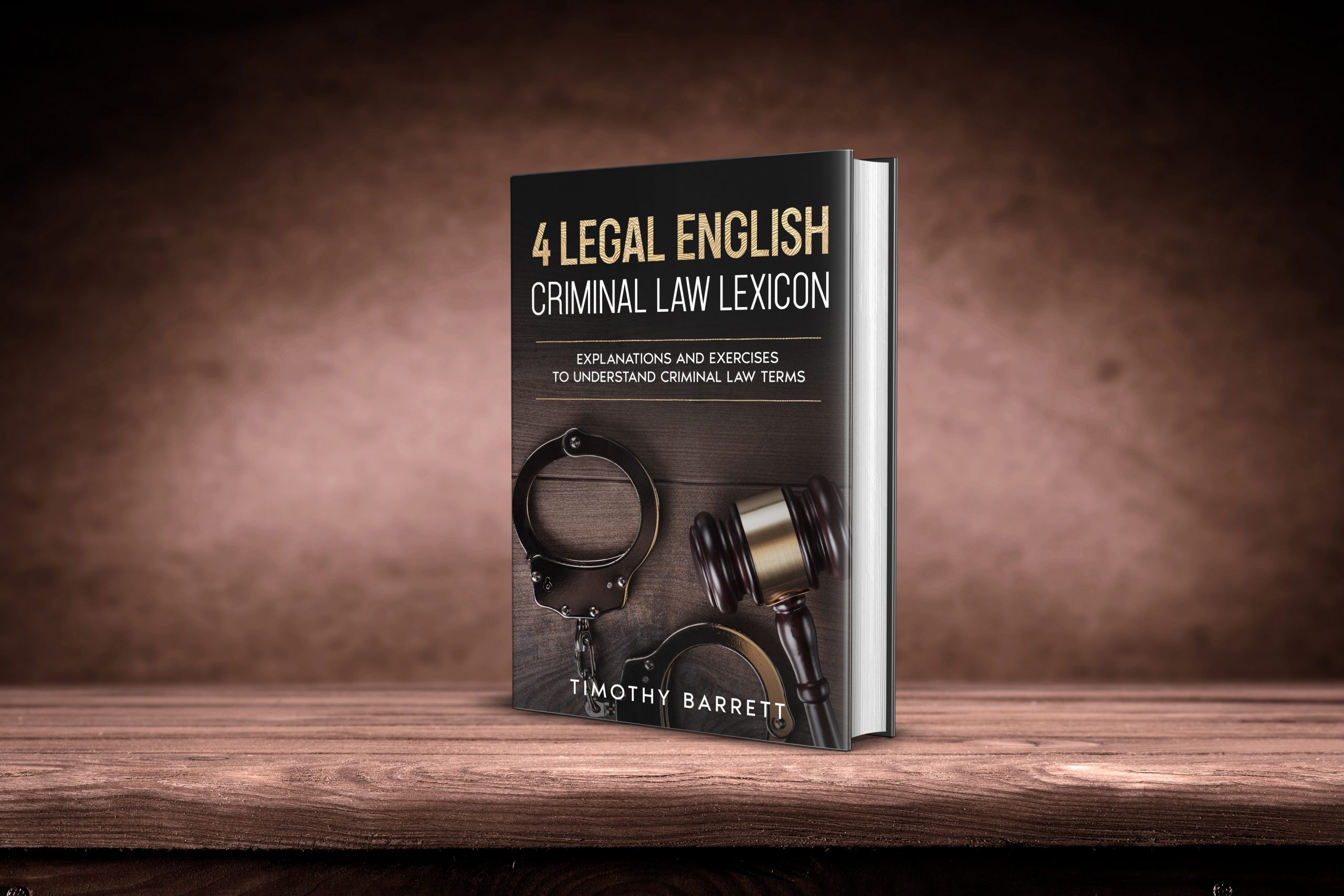
Announcing a brand new book for sale!
Criminal Law Lexicon is a great way to learn important criminal law vocabulary and phrases. There are over 550 exercises for you to both test your comprehension and improve your knowledge. After you complete the book, you can take an online exam to make sure you understand the material covered in the book.
ONLINE CONTENT! If you have trouble with a question, comment on the book’s page on the 4 Legal English website. This online forum is a great way to discuss any questions you might have. After completing the book, take an online exam to make sure you understand the material covered.
This book is designed for non-native English speakers who want to improve their understanding of the proper Legal English terms concerning the field of Criminal Law. This book introduces this lexicon and gives examples of using these words.
If you are law student, lawyer, judge, police officer, legal translator, or other legal professional, then this book can help you. If you are seeking to complete a master’s of law (LLM) in the United States, or in the English Language anywhere else in the world, then this book can help you.
Each chapter contains explanations of key terms that are frequently used by professionals in criminal law – these are the lexicon words. Then there are exercises to test and reinforce your understanding of these terms. Additionally, you are able to see how these lexicon words are used in context.
You can purchase the book at Amazon. It is available both as a paperback and eBook.
Challenges to Fair Representation
- Language Barriers: ESL lawyers might face challenges in fully understanding or communicating in English, which could affect their ability to advocate effectively.
- Cultural Differences: Differences in cultural backgrounds between lawyers and their clients can lead to misunderstandings or misrepresentations if not properly managed.
- Economic Disparities: Clients with limited financial resources may struggle to obtain adequate legal representation, which can lead to inequities in the justice system.
Strategies for Overcoming Challenges
- Continuing Legal Education: ESL lawyers should engage in ongoing education to enhance both their legal and language skills.
- Use of Legal Aids and Interpreters: Employing interpreters or other legal aids can help bridge the communication gap between lawyers and clients who do not speak the same language.
- Pro Bono Work: Participating in pro bono work can help address the gap in legal services available to underrepresented populations.
- Cultural Competence Training: Training in cultural competence can equip lawyers with the skills needed to navigate the complexities of diverse client backgrounds.
Conclusion
Fair representation is essential for maintaining the integrity and fairness of the legal system. It is the responsibility of all legal professionals to ensure that justice is not only done but seen to be done. This is particularly important for ESL lawyers, who must navigate additional linguistic and cultural barriers to provide the best possible representation to their clients.

